Coloring & Rendering
Introduction
Please try mixing the techniques, that is quite common.
I like to mix soft low contrast edge-shading with higher contrast light-source shading.(Kings Quest 5 top inspo)
The noobier you are, the more edge-shading you do.
Also I personally really like high contrast renders, a personal taste.
contrastmaxx lol.
Tips:
The painting frame flattens it out in final display, so a bit of wave doesn't hurt when the painting isn't on display.
Techniques:
* Tools
* Edge Shading
* Solid-Color Shading
* Fur Shading
* Cell Shading
* Light Source Shading
* Pixel Art
Tools
I recommend:
* Gouache + synthetic brushes
* Marker pens
* Color pens
* Ruler with masking tape on(helps against leaking)
Edge-Shading
(Sometimes called pillow-shading)
Edge Shading is when you darken, or lighten, the object from one or more edges inward with a coloring pen
This is the easiest coloring technique.
Most SNES games utilize edge-shading.
I use this a lot myself.
You have a primary lighter color and a secondary darker shading color.
You want gradience towards the edges.
edge shading is cheap, old trusty that always works.
You can edge shade a 3D object from one direction.
You can use a light shading on one side and a dark shade on one side for extra depth.
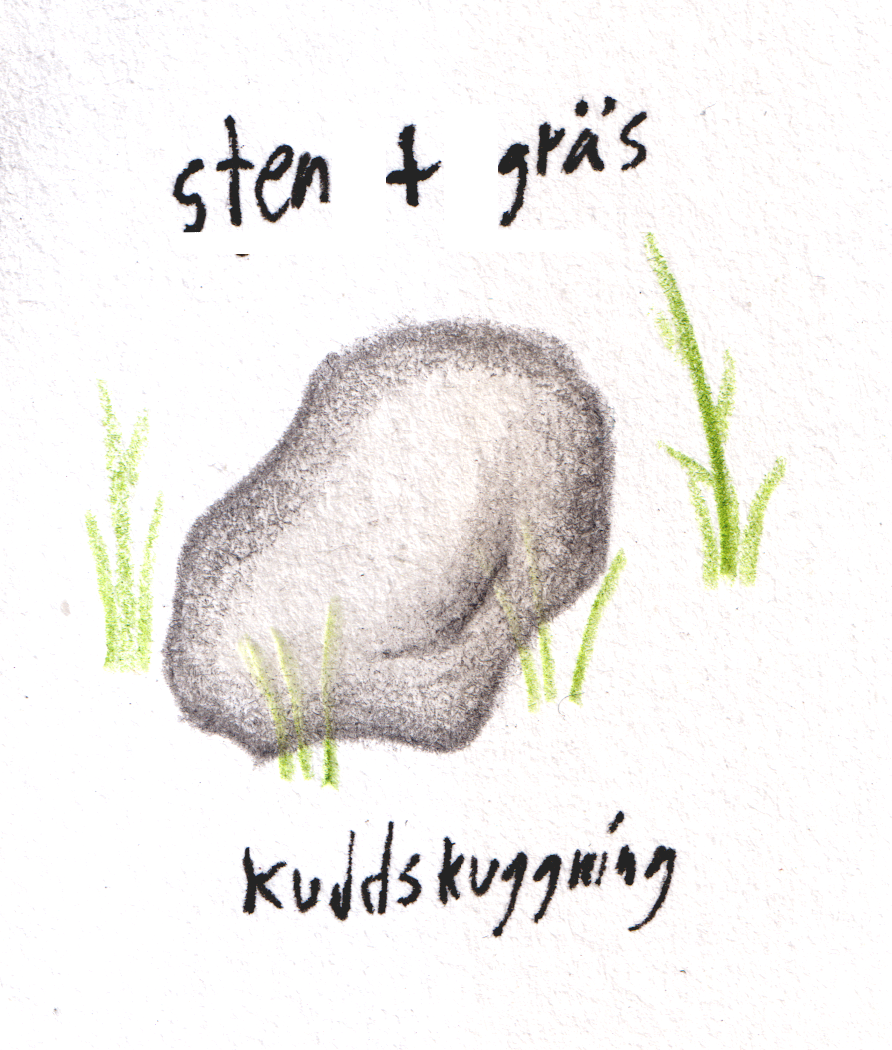
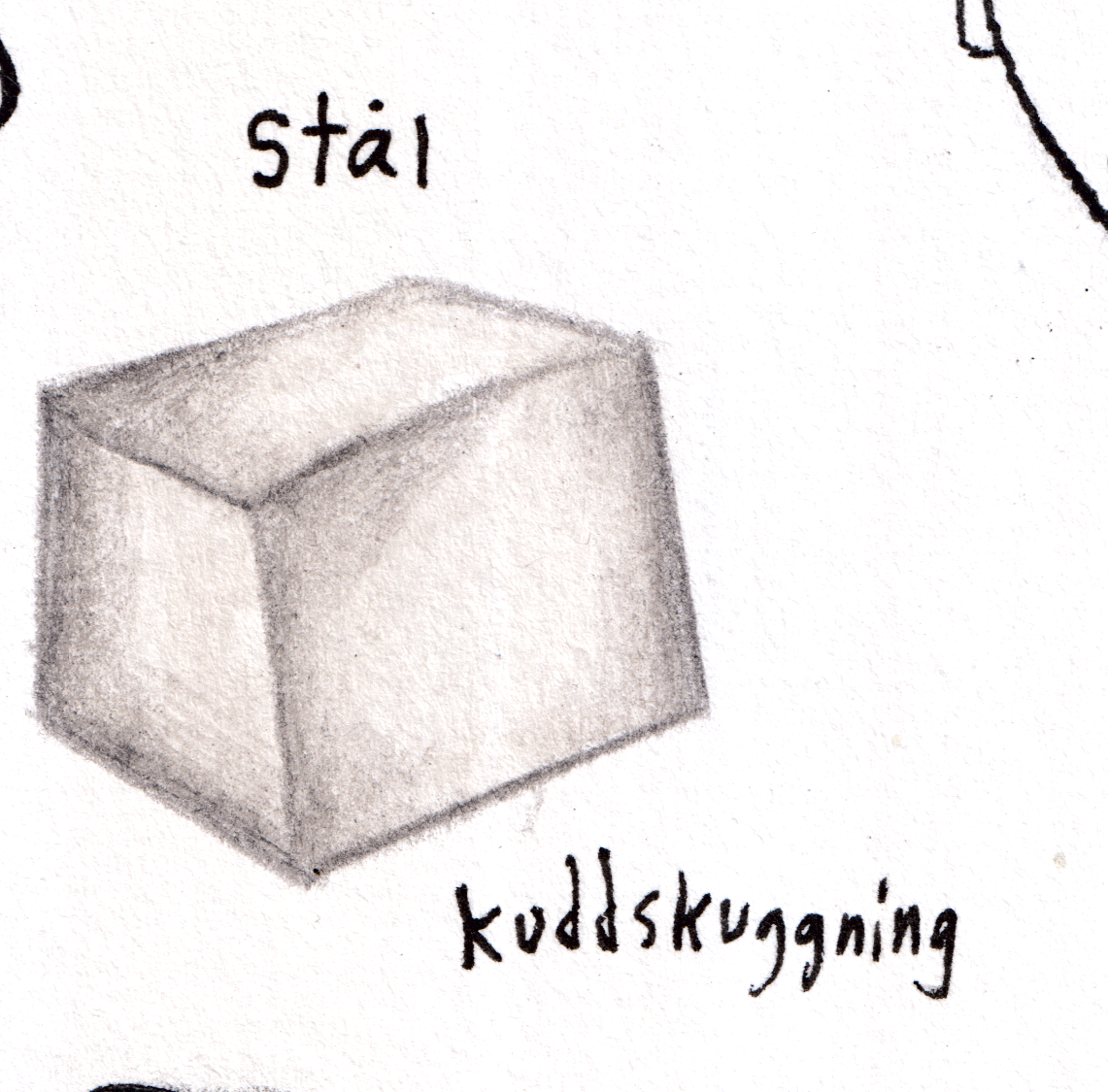
Source: Pixeljoint
Solid Color Shading
Means the object is just one solid color.
Often done in minimalism.
criss-cross-Fur-Shading
You have a primary body color
and a shadow fur edge color.
You first create a criss-cross linework and then a gradience from that.
Cell-shading
You have a line color(usually black)
You have a primary color,
and a shadow color.
these are solid, no gradient.
Light source shading
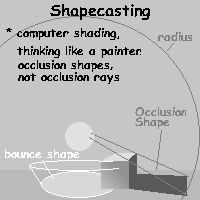
First you color object, then you lighten and darken based on lights in the scene.
I tend to calculate just one bounce.
Pixel-Art
The only digital art form I respect is pixelart.
I don't like other digital art.